I am being way judgmental here, and not going to apologise for it! My THIB (thinks he is boss!) showed me an article in the Sunday paper - with the above title.
A couple, who have two little boys, went to USA for the honeymoon they 'never had'. She was 24 weeks pregnant. To cut a long story short, the baby decided to pop out early, at 24 1/2 weeks. Mum is now stuck in Orlando, Florida, with her prem baby Gracee in hospital, while Dad has returned to Brisbane.
The couple had holiday insurance with AAMI but the company said that "Gracee was not covered by their policy because she did not exist at the time of cover". AAMI is also refusing to pay Mum's medical bills, as she had a "pre-existing condition" - i.e., pregnancy.
According to the news report, it is costing approximately $5,000 a day, PLUS doctor's and specialist's fees for Gracee. Mum's hospital bill, for three days, was $30,000. So far the bill for baby Gracee has reached $300,000. It is expected she will need to remain in hospital for a further 60 to 80 days.
Added to the silliness already racked up is the fact that as Gracee was born in USA she cannot enter Australia until she has a Visa. That I find quite strange and rather extraordinary - after all, my daughter was born in UK and yet I registered her birth with the Consulate and she automatically became an Australian Citizen.
Something about this is either a bit off or mis-reported. I guess it must be something to do with the laws in USA?
There is now a campaign to raise money to help the couple and their baby. They have paid "as a show of good faith" $10,000 toward the medical costs.
Now comes my judgement ok? The lady in question said she already had two children who were born full term, and therefore she figured this pregnancy would go to full term. Hmmm. Didn't she realise that all pregnancies are different? There are NO guarantees, none. Anything can happen, and at any time, and often does. And I don't know about any other mums out there, but at 24 weeks pregnant, whether cleared for travel by a doctor or not, I would be sticking fairly close to home. For obvious reasons!
As far as AAMI goes? They aren't the only ones who don't cover pregnancy and childbirth, from what I read. In the AAMI Product Disclosure Statement, it is stated quite clearly that pregnancy and childbirth will not be covered.
One of the comments I have read about this unfortunate incident says "An unfortunate gamble by these parents, that has ended up costing them for the rest of their lives.. "
Me? I just think they were irresponsible. And they obviously aren't the smartest pair on the block........
Two morals - read the damned document, and don't travel 12 hours on a plane when you are so far advanced in your pregnancy....
Showing posts with label Pregnancy Childbirth and Health. Show all posts
Showing posts with label Pregnancy Childbirth and Health. Show all posts
Monday, April 9, 2012


Saturday, January 7, 2012
Today I'm Going To Give Birth!
Well I am going to reminisce, sort of. In March it will be 35 years since I had my one and only delightful daughter. Oh boy, was it all different way back when! Hearing about scans and all sorts of amazing things, especially those 3 and 4D scans, made me think back to 1977, and realise how primitive we had it - even then!
The first trip was to the doctor, for a urine test to see if "the frog died" (I have NO idea, don't ask!). Yes, I was told a couple of days later - you are pregnant. Obviously, we were supposed to always keep track of our menstruation - which I faithfully did. Mainly because I was fortunate if I actually did menstruate! My cycle was 40 to 45 days, if it stayed as a cycle. Which it didn't always. So we were able to pinpoint conception. Rolling around laughing here, because there was only the one night it could have been anyway!
Onwards. I had to see my doctor once a month to get weighed, for him to check the baby, listen to the heartbeat (with a stethoscope) and have a chat. Then at three months I was sent to "Clinic" at the hospital, to have a check-up, get weighed (hahaha), have a blood test and a chat. The first blood test I have ever had, and it was horrendous. The nurse tried to take blood from halfway down my arm, unsuccessfully. She eventually worked out how to do it, but left me bruised from elbow to wrist, and it hurt for ages.
Repeat this visit for 6 months (yep, we counted months). Then towards the end we attended 'classes', which were actually amazingly good. We were taught relaxation, some exercises, diet (bit late mate), how the birth process went, how to bath, feed, put nappies on etc. The disposable nappies were quite new at that time, and were horrible things. Guaranteed to give baby nappy rash in the space of five minutes. The last class we were to have a visit to the "Labour Ward". I kind of missed that one, being in there panting away at the time, trying to have my baby!

The big day dawned, a week overdue by my calculations, spot on by the doctor's calculations (he was wrong ha ha!). I was pretty scared, as we all are I guess. So with contractions all over the show, stopping and starting, going to 2 minutes apart and then quitting, I called the hospital. They said they felt I would be more comfy with them, and to come in. We arrived at around midday. I had eaten a very small breakfast, as advised, but had nothing after that.
First thing? Oh, we will have to break your waters for you. That was an experience not to be repeated, even the midwife wanted to know if the membrane was made from Dunlop rubber! Then the indignities began. First off was shave - not the nicest experience, someone shaving your private parts. Thank heaven she used a new blade! Next indignity was an enema - I kid you not, an enema. It is just that - grossly undignified. Then "into the bath with you" - " but I just had a shower as instructed". Doesn't matter, into the bath kiddo.
Into the damned bath, lukewarm water 3" deep. Out of the bath onto the toilet. Into the bath. Straight out onto the toilet. After the fifth attempt I splashed water over myself hurriedly (to get rid of any lurking hairy bits) and dried off.
Right. Action stations. Into the "labour room". There was someone along the hall screaming and screaming, and I tell you, it made me feel ill. What next? Onto the bed. IV attached because "you haven't eaten and we want to keep you hydrated also". Great. Just what we needed. A little shot of pethidine - they may as well have given me water for all the good it did.
So for the next 6 hours I went in and out of labour, most of it paralysed, where my baby was pressing on a nerve in my spine - backache like you wouldn't believe. Gas and air - god bless whoever invented that stuff, because without it I think I would have probably gone home. Actually, at one stage I asked them if I could - they said "you had your fun, now you pay the piper!" and laughed? They laughed? Aaagh. Rotten lot.
It was around 6.30 that I was told that they were changing my IV to an induction drip, as "you aren't getting anywhere, and the baby is distressed". How did they tell the baby was distressed? Listening with one of those 'funnel' things, and a stethoscope! Out went my nice little friendly saline drip, in came the torture fluid. From then on, it was 'increase the flow rate' and 'increase the flow rate'.
At one point my midwife said no pushing until we say, you aren't fully dilated yet, but will feel you need to push. This was what we were told was the THIRD stage of labour. When you need to push. Oh boy, did I need to. Lots of huffing and puffing and gas going on in that room. A midwife (now I am there with no lenses in my eyes so I am blind as a damned bat) put her head around the door and asked was everything ok? I said "Oh, I need to push". She said go ahead honey.
Next thing, hell broke loose, as she wasn't my midwife and I was pushing too early. Eek, I apparently tore my cervix quite badly, I found out long long years later. Finally, finally I was given the go ahead, and the room seemed to suddenly get light and warmer and fill with all sorts of people. I still have no idea who they were, which is kind of hilarious!
At approximately 8.50pm my tiny tiny girl was born, and was whipped away to be weighed and have a wrap put around her, eyes and mouth cleared etc. She was then given back to me for a while. Now they tell you babies can't see for the first six weeks or something.

My tiny miracle lay and gazed and gazed into my eyes. I was overwhelmed, just totally awed. And then I was brought a cup of tea (I hate the stuff!) and was promptly sick. Too much gas and air, she laughed. My tiny girl was taken away to the nursery, and I was rolled in a wheelchair to the ward.
I believe there were about 20 of us in the ward, if not more. It was quite a lovely long bright airy room, but oh dear, the snores and farts etc were a little too much! I didn't see my baby until the small hours, when a nurse woke me - apologising! They gave the newborns dextrose water the first night, to let the mothers rest. My stubborn little scrap absolutely refused! So I had to try to learn how to put her to the breast at about 2.30a.m. Such fun!
We were forbidden to shower or bath, in case we 'started bleeding'. I was going mad, needing a shower or bath so much - so I sneaked one! Bliss. Most of the new mums had had external stitches, and although they wanted to stitch me I refused. So we all did what the nurses called the "wet knicker waddle". Our babies were wheeled in to us each morning, and we were shown how to deal with nappies etc., (but only after the first day, nurses dealt with meconium nappies!). A physiotherapist came to the ward and we all lined up to do pelvic floor exercises (oh the joys!) etc.

I won't talk about how dismal it was trying to feed my kid, that is for another time, another place. It was a nightmare. On around the third day of the hospital stay there was a Thanksgiving Service in the hospital Chapel. I am sure the Reverend or whoever was used to 40 or so snivelling mothers each time he held the service, but it was a little blush-making just the same! Talk about drowning in tears!
Plodding on, we also had a visit from the District Registrar, and those who wished to could register their baby's birth then and there. Of course I did!
Day six arrived, and (a day early!) I was allowed to go home, feeling totally unreal, waiting for the baby's mother to come and get her, wondering how on earth I was going to do whatever it was I had to do....
I had 3 or 4 visits from the midwife, who checked me, then checked baby and cleaned around the cord (we weren't supposed to touch it!). I have a vague thought that there was one visit from a Health Visitor, who was so jolly and cheerful that I felt there was no way on earth I could talk to her - and that will be a lead-in to my next blog, which is about my own experience with post-natal depression, or "baby blues" as the illness was so lightly termed in those days.
No prizes for spotting the difference from then to now, as far as pregnancy, care, health and labour are concerned! You know though, I would have done it again in a heartbeat.
Monday, December 12, 2011
10 Year Old Mexican Girl Gives Birth
To say that I was appalled and dumbfounded when I read about this poor little child is probably the biggest understatement I have ever made. And then to continue reading, from various sources, of the circumstances surrounding the birth just sent me into an almost insensate rage.
The little girl was taken to hospital in Puebla, 31 weeks into a pregnancy, and suffering from life-threatening complications and issues, which included seizures. Her baby boy, weighing 3.3lb, was born by Caesarean section, and is in intensive care, suffering from pneumonia. He is said to be doing well. The little mother, who is recovering well also, visits the hospital to breastfeed her baby.

The baby's father is unknown. There is an investigation underway to determine who assaulted the little girl.
My sheer rage is directed at the Mexican authorities and a group named Vida Humana Internacional. This organisation promotes the teachings of the Roman Catholic Church in Spanish-speaking countries, and supports strict anti-abortion laws. They argue that even if it is a case of sexual assault, or when pregnancy poses health risks to the mother (even a 10 year old), abortion is an immoral act.
"In the end, the child at any stage of development has all the rights of any other human being and may not be directly and voluntarily killed," Magaly Llaguno, the Executive Director of VHI, told The Christian Post in an email.
She added: "Such an act is, as John Paul II emphasized, 'always gravely immoral.' Increasingly so, the default position of physicians today is to recommend a direct abortion. But such a moral evil is never necessary as the death of a child never brings about the health of a woman."
Magaly Llaguno is obviously not educated. To have made such a ridiculous statement - and publicly, shows that she is totally in ignorance of the risks to the health of little girls who are forced by her bigotry to undergo the ordeal of pregnancy and giving birth.

There are severe health risks faced by mothers under 16 years of age. According to Time magazine, they are four times more likely to die during childbirth and are more susceptible to developing anemia, postpartum hemorrhage, depression and other mental disorders.
Due to the difficulties of child labor, minors who give birth also make up 65 percent of the women who develop obstetric fistula - a devastating condition in which a hole develops in the birth canal, causing an uncontrollable leakage of urine and faeces into the vagina.
So much for "the death of a child never brings about the health of a woman." Perhaps she should have consulted a few physicians before she made that stupid statement. One out of eight children in Mexico currently works.

The unfortunate circumstances in Mexico are that approximately 90% of the population is Catholic, and are thus influenced by the Roman Catholic church's stance regarding abortion. Individual states in Mexico are able to decide their own laws regarding abortion, and some states, such as Puebla, where the 10-year-old girl lives, prohibit the procedure unless the woman can prove the pregnancy is a result of sexual assault. I would be interested to see how a 10 year old could 'prove' sexual assault?

Lawmakers from the state of Puebla approved an anti-abortion amendment in 2009, which says life begins "from the moment of conception to natural death, except in cases foreseen by law." Sixteen of Mexico's 31 states have similar abortion laws.
It appears glaringly obvious what is going to happen in countries with these draconian laws. Many women and girls will put their lives at risk by undergoing illegal abortions in unsavoury, insanitary conditions. Many will die.
Mexico City's governmental Human Rights Commission said the country's abortion laws "will worsen the serious public health problem of clandestine abortions in unhealthy conditions"

This is not the first birth to a little girl in a Latin American country, nor will it be the last. Which is totally unacceptable, and a searing indictment of the anti-abortion laws in countries such as Mexico, Brazil, Colombia, Chile, El Salvador and Nicaragua. Abortion is illegal in all circumstances in El Salvador and Nicaragua.
Monday, November 28, 2011
The Dangers of Hair Dye and How to Avoid Them
There have been a couple of news articles recently about women suffering violent allergic reactions to hair dyes. In October a 17 year old died after applying hair colouring. Another woman suffered brain damage from hair dye.
I think that there are a lot of us who see these as just a couple of isolated incidents, and probably don't know that this appears to be just the tip of the iceberg. The danger of developing a reaction to at least one of the ingredients in hair dye is all too real. What we don't normally hear about are those who have a reaction which isn't picked up and reported by the media. And there have been literally hundreds of women who have reacted badly to hair dyes.
It appears that the main culprit amongst the chemicals in hair colourants is para-phenylenediamine (PPD) - and this is common in many UK hair dyes, but is banned in Europe. Another nasty contained in many hair dyes is Resorcinol. Strange, that our countries still have these nasties in dyes, wouldn't you think? As far as Australia goes:
Anyone, including young teens, can buy and apply, potentially hazardous permanent hair dyes. The disturbing facts, almost 50% of permanent hair dyes in Australian supermarkets, pharmacies and hair product stores contain chemicals, so risky, they've been banned overseas. But our Department of Health still isn't moving to stop them. Other common irritants, paraphenylenediamine or PPD and Resorcinol, - we found them in 10 out of 17 hair dyes. (Hairdressers Registration Board of Western Australia, 2008)
They have further stories, none new, at the following linkhttp://www.hrb.org.au/content.php?page=76.
It is really quite frightening, and reactions to the chemicals aren't new, by any means.
Did you know that you can develop a sensitivity at any time when using any product? It can happen with your first use or your 45th use. The reason for this? It is extraordinarily difficult for our bodies to break down synthetic chemicals, and so they just accumulate in our body tissues, becoming increasingly toxic. So each time you dye your hair you absorb and store more toxic chemical.
The major culprits for developing an allergy or sensitivity to are the darker colours. The shade of dye will make a big difference. An ebony colour might contain 3,000 times more dye than an auburn colour. Choosing lighter colours will dramatically reduce exposure to chemical dyes.
Many people are allergic to PPD - absorbed across the skin, it can cause itchiness, headaches and pustules to develop,' says Daniel Field, a hairdresser specialising in non-toxic plant-based dyes and hair products. 'They have been linked to immune disorders, particularly rheumatoid arthritis, and are suspected carcinogens.' Anything that lightens hair contains peroxide, which strips the hair of its natural pigments, but can also corrode the skin.
Read more: http://www.dailymail.co.uk/femail/article-165538/Is-hair-colour-die-for.html#ixzz1ezHI6JXB
Hair dye is not the only culprit either. Most popular hairsprays are liquid plastics, and these solidify on the hair to hold it in shape. Many contain phthalates that disrupt hormones. They could be carcinogenic and are best avoided altogether.
While solvents and chemicals in the sprays can't be absorbed into the body from the hair, the fumes, which contain plastics, are easy to inhale, and residues on the skin are easily absorbed. Gels are often plastic-based and are more concentrated than sprays.

Heavy Metals Found in Hair DyesHair tonic to colour the grey once contained lead, and many barbers died of lead poisoning. Not only is lead acetate the active ingredient in “wash away the grey” progressive hair dyes targeted to the male market today but, in 1981, the industry was allowed to add arsenic and mercury! These heavy metals can be absorbed through the scalp.
In 1978 – 22 years after the first study showed that 2,4-TDA hair colour enters the body through skin or scalp abrasions, causing black urine and breakouts – it was restricted from all but several hair dye colours, where it is still allowed. The same year, it was shown that ingredients in hair dyes caused cancer in animals. A study of hair dye genotixicity, published in the American Heart Association Journal in December 1979, revealed that women who colour their hair have greater chromosomal damage than women who have never done so. This suggests that hair dyes may have carcinogenic and mutagenic effect in humans. Punk colours tested worse than those covering grey. Warning label attempts were unsuccessful.
Take care when selecting a shampoo. Many contain potentially harmful ingredients. (From Health Naturally, Ontario.)
A recent report in the International Journal of Cancer discovered a link between long-term hair dye use and an increased incidence of bladder cancer. The findings imply that dyeing your hair holds hidden health risks.
All hair dyes contain some form of ammonia which swells the hair to make it porous so it can absorb colour. Ammonia is a skin irritant, causing anything from mild itching to uncomfortable burning. PPD is used in many dyes as it is most effective at colouring grey hair.
'Many people are allergic to PPD - absorbed across the skin, it can cause itchiness, headaches and pustules to develop,' says Daniel Field, a hairdresser specialising in non-toxic plant-based dyes and hair products. 'They have been linked to immune disorders, particularly rheumatoid arthritis, and are suspected carcinogens.'
Anything that lightens hair contains peroxide, which strips the hair of its natural pigments, but can also corrode the skin. On contact with the scalp, chemicals can trigger anything from allergies, sensitisation and swelling, to itching and rashes. As up to 60 per cent of what is placed on the skin is absorbed into the blood, many of these may enter your body where they put a localised strain on the immune system as it fights off toxins.
They may also build up in the lymph nodes, which help regulate immunity, or deposit in certain tissues such as muscle, or organs such as the liver, straining immunity and at worst, causing cancer.
Anyone dyeing their hair should do a skin-patch test. 'Every year, millions of women use hair- dyes without ill effect,' says trichologist Philip Kingsley. 'But some people will have allergic reactions and a skin-patch test is vital.'
You should expose your skin for 48 hours.
Put a small sample of the mixture on your arm, beneath a non-allergenic plaster for two days. If you have a severe reaction, you will experience burning in a few hours, but those with a mild sensitivity may get a rash or itching within two days.
Dye your hair only when necessary. Leave the maximum possible times between dyeing and then only leave the dye on for the minimum time and rinse well, drinking a litre of water after having your hair treated, to help flush out any chemicals.
There are safer alternatives to ammonia and peroxide. Natural Colours by Daniel Field available from Sainsbury's, are ammonia and peroxide-free and use vegetable-based dyes. They take longer to work but are gentler on the scalp and long-lasting.
Tints Of Nature is a range of ammonia-free products available from Planet Organic and health-food shops nationwide. Aveda also has a range of natural hair care products: 0207 224 3157, www.aveda.com
Tuesday, November 22, 2011
I Have A Treat In Store For You!
The next few posts on my blog will, I truly hope, be a huge treat. I have downloaded some amazing videos from a wonderful website, EHD "The Endowment for Human Development". It is one of the best and most informative websites I have come across, and contains astounding photographs and videos of what goes in inside the uterus as our baby is growing and developing.
It makes me feel a little like a dinosaur to see the scanned images - and at the same time I am awed and fascinated, as I hope you will be also. Just think - when I was pregnant with my daughter 35 years ago, there was no such thing as an ultrasound scan being done as a regular procedure during pregnancy. The doctor listened for my baby's heart with his stethoscope! To me, hearing my baby's heartbeat was as close to a miracle as I had ever been! Now there are scans in three and four dimensions!
I hope the videos aren't too jerky. Put your sound on as well, for information on what you are seeing!
I am sure you will enjoy the short videos I have put on here for you. Grateful thanks go to EHD for their extreme generosity in sharing these videos freely.
Monday, November 21, 2011
Delayed Cord Clamping Helps Reduce Iron Deficiency
I have posted the following, from MYHealthNewsDaily, but wish to point out that this is a little strange as a recent finding, as this was known as far back as (and probably further than) 2006? I understand that most mothers here ask for the cord to stop pulsing before being clamped.
To reduce a baby's risk of anaemia, doctors should wait a few minutes after birth before clamping the umbilical cord, a new study suggests.
Waiting at least three minutes to clamp the cords of healthy newborns improved their iron levels at 4 months of age, and reduced the baby's risk of developing iron deficiency. Before clamping, blood within the cord and in the placenta flows into the baby; clamping cuts off this flow. Previous research had suggested that delayed cord clamping could prevent iron deficiency. However, it was unclear whether earlier clamping might bring increased the risk of jaundice and other health complications.
To investigate the risks and benefits of cord clamping, researchers at the Hospital of Halland in Sweden studied 400 full-term infants.
Some had their umbilical cords clamped after at least three minutes, while others had them clamped less than 10 seconds after delivery.

At 4 months old, babies whose clamping was delayed had iron levels that were 45 percent higher on average than those who had their umbilical cords clamped immediately. There were also fewer cases of anaemia in the group that experienced delayed clamping.
For every 20 babies whose clamping was delayed, one case of iron deficiency would be prevented, according to the study. Delayed cord clamping was not associated with any adverse health effects.
Iron deficiency and anaemia are major health problems in young children around the world, and are associated with poor neurodevelopment. Young children are at particular risk because they have high iron requirements as they rapidly grow.
Delayed clamping may allow infants to receive a substantial blood transfusion from the placenta. "A term newborn held 10 cm [4 inches] below the level of the uterus during the first three minutes of life increases its blood volume by an average of 32 percent," the researchers said.
Delayed cord clamping "should be considered as standard care for full-term deliveries after uncomplicated pregnancies," the researchers said.
The study was published online yesterday (Nov. 15) in the British Medical Journal.
Pass it on: Doctors should wait at least three minutes before clamping a baby's umbilical cord after birth.
Sunday, November 20, 2011
11 Myths About Pregnancy - Well, Supposedly....
This is long, but I would love you to stick with it, and really want to know what you think about all this! Thanks!
Pregnancy lasts nine months.
"It's actually more like nine-and-a-half months," said Dr. Joanne Stone, an obstetrician at Mount Sinai School of Medicine in New York City and co-author of "Pregnancy for Dummies" (For Dummies, 2009). To make matters more confusing, doctors typically measure pregnancy's length as 40 weeks, counting from a woman's last period. Women usually become fertile 10 to 16 days after their period starts, so from this method of counting, the first two weeks of every pregnancy take place before a woman has conceived.
My response to this is to ask why in hell they count like that in the first place?

"Pregnancy brain" makes it impossible to concentrate.
This may be true in the first few months, when a 30-fold increase in progesterone makes most women really, really, sleepy. And some researchers say pregnancy hormones may make it hard for a pregnant woman to remember where she placed her keys.But pregnancy brain may not be all bad. In a small pilot study of 10 women, Stone and colleagues found that women tend to have increased attention spans in their third trimester. If the results are confirmed in a larger group of women — something the researchers are currently working on — it may be an indicator of "neuronal nesting."
"This may be nature's way of increasing the attention a mother is going to need to give a newborn," Stone said.
Eh? The attention we are going to need to give to a newborn? The little tackers turn us into zombies, not madam smarts......Study of TEN WOMEN?
"Morning" sickness only happens in the morning.
If only this were true! Thought to be caused by shifting hormones, morning sickness can strike (and often does) at any point in the day. And it's not confined to the first trimester, as many believe, Stone said. "It can last up to 16 weeks."

Drinking any alcohol during pregnancy will hurt your baby.
While binge drinking during pregnancy can cause severe problems, recent studies of thousands of women in the United Kingdom and Australia have confirmed earlier research suggesting that light to moderate drinking – usually defined as one drink a week to one small drink most days – may not be harmful.
Drinking during pregnancy is more culturally acceptable in Europe and Australia, where pregnant woman imbibe more openly than in the United States. But many physicians in the United States, such as Dr. Michael Broder, author of "Panic-Free Pregnancy" (Perigee Trade, 2004), also quietly allow their patients to have the occasional alcoholic drink – particularly after the first trimester.
 Pregnancy makes your feet grow.
While most women experience some swelling in their calves, ankles and feet during pregnancy, many can fit back into their favorite heels at some point postpartum. But this one isn't a complete myth: Some women permanently go up a half-size over the course of a pregnancy – and possibly even another half-size with each subsequent pregnancy.
"Hopefully, they're not having ten kids," Stone laughed.

Your body shape will never be the same again.
"With exercise and diet, it certainly is possible to get back in the shape you were in before getting pregnant," Stone said, adding that this is easiest for people who were quite fit before conceiving. People tend to forget that the body changes with age, with or without a pregnancy, Stone told MyHealthNewsDaily. So before blaming your saddlebags on your offspring, try counting the candles on your next birthday cake.
The mom-to-be is the only one going through hormonal changes.
She's not alone: Dad's dealing with hormone shifts, too. A study published in the journal Evolution and Human Behavior in 2000 found that over the course of his mate's pregnancy, an expectant father's testosterone levels go down and his prolactin levels go up. Researchers think this adjustment may help prime men to play daddy

Breastfeeding makes your breasts sag.
While infants certainly drain a lactating breast, their hunger doesn't cause long-term changes in breast firmness. Scientists have confirmed that breastfeeding does not contribute to breast ptosis (the scientific name for saggy breasts).
However, multiple pregnancies, smoking and simply getting older have been correlated with droopier cleavage, according to a study of 132 women published in the Annals of Plastic Surgery in May.

Twins skip a generation.
Fraternal twins do run in families, due to a gene that can make a woman more likely to release multiple eggs during ovulation. But the hyper-ovulation gene doesn't leapfrog over certain generations. It is passed on from parent to child just like all genes are.
Evidence shows that identical twins, however, occur at random, rather than running in families. If there are many sets of carbon-copies in your family line, "it is probably just a coincidence," Vreeman told MyHealthNewsDaily.

You can predict the sex of your baby without technology.
Time to break it to grandma: Basketball-shaped bellies do not forecast boys. In a study of 104 women, published in the journal Birth in 1999, no correlations were found between a pregnant belly's size or shape and the baby's gender.
Similarly, predictions using the Chinese lunar calendar, the fetal heart rate and the Drano test (where the woman's urine is mixed with the de-clogging liquid and the resulting color allegedly reveals the baby's gender) were examined by physicians in Vancouver in 1999. None of them were reliable.
 Neither is women's intuition dependably accurate, according to a 1996 article in the Journal of Reproductive Medicine. Of 110 women who professed having a strong sense of the baby's gender, roughly half were right – the same number expected to be right if they were just guessing.
In all, scientists have found most folklore-based methods of predicting a baby's sex have the same odds as flipping a coin. "And 50/50 odds are not that bad," Vreeman said.
There may be a case for the predictive value of extreme morning sickness. Excessive, unrelenting morning sickness – also known as hyperemesis gravidarum – is slightly more correlated with having girls, Vreeman said.

When you have sex determines the gender of your baby.
Dads-to-be have two types of sperm: those that make baby boys and those that make baby girls. Some say that the body of a mom-to-be is more hospitable to boy sperm or girl sperm during certain times in her cycle. And so, the theories go, when a couple has sex can determine whether they conceive a Junior or a Bubette.
While a few small studies have supported timing methods for sex selection, larger, more recent studies have failed to find any correlation between the day within the fertile window a couple has sex and the gender of the baby, explained Dr. Rachel Vreeman, co-author of "Don't Swallow Your Gum! Myths, Half-Truths, and Outright Lies about Your Body and Health" (St. Martin's Griffin, 2009).
The only way you can reliably choose the sex of your baby is with the help of technology.

Pregnancy lasts nine months.
"It's actually more like nine-and-a-half months," said Dr. Joanne Stone, an obstetrician at Mount Sinai School of Medicine in New York City and co-author of "Pregnancy for Dummies" (For Dummies, 2009). To make matters more confusing, doctors typically measure pregnancy's length as 40 weeks, counting from a woman's last period. Women usually become fertile 10 to 16 days after their period starts, so from this method of counting, the first two weeks of every pregnancy take place before a woman has conceived.
My response to this is to ask why in hell they count like that in the first place?

"Pregnancy brain" makes it impossible to concentrate.
This may be true in the first few months, when a 30-fold increase in progesterone makes most women really, really, sleepy. And some researchers say pregnancy hormones may make it hard for a pregnant woman to remember where she placed her keys.But pregnancy brain may not be all bad. In a small pilot study of 10 women, Stone and colleagues found that women tend to have increased attention spans in their third trimester. If the results are confirmed in a larger group of women — something the researchers are currently working on — it may be an indicator of "neuronal nesting."
"This may be nature's way of increasing the attention a mother is going to need to give a newborn," Stone said.
Eh? The attention we are going to need to give to a newborn? The little tackers turn us into zombies, not madam smarts......Study of TEN WOMEN?
"Morning" sickness only happens in the morning.
If only this were true! Thought to be caused by shifting hormones, morning sickness can strike (and often does) at any point in the day. And it's not confined to the first trimester, as many believe, Stone said. "It can last up to 16 weeks."

Drinking any alcohol during pregnancy will hurt your baby.
While binge drinking during pregnancy can cause severe problems, recent studies of thousands of women in the United Kingdom and Australia have confirmed earlier research suggesting that light to moderate drinking – usually defined as one drink a week to one small drink most days – may not be harmful.
Drinking during pregnancy is more culturally acceptable in Europe and Australia, where pregnant woman imbibe more openly than in the United States. But many physicians in the United States, such as Dr. Michael Broder, author of "Panic-Free Pregnancy" (Perigee Trade, 2004), also quietly allow their patients to have the occasional alcoholic drink – particularly after the first trimester.
I wonder who they surveyed, because honestly I do not know one pregnant woman here who drinks even moderately?
While most women experience some swelling in their calves, ankles and feet during pregnancy, many can fit back into their favorite heels at some point postpartum. But this one isn't a complete myth: Some women permanently go up a half-size over the course of a pregnancy – and possibly even another half-size with each subsequent pregnancy.
"Hopefully, they're not having ten kids," Stone laughed.
Oh ha ha, I am really really starting to dislike this woman. Who is she anyway, and what makes her such an expert? hmmm
Your body shape will never be the same again.
"With exercise and diet, it certainly is possible to get back in the shape you were in before getting pregnant," Stone said, adding that this is easiest for people who were quite fit before conceiving. People tend to forget that the body changes with age, with or without a pregnancy, Stone told MyHealthNewsDaily. So before blaming your saddlebags on your offspring, try counting the candles on your next birthday cake.
BULLSHIT. Not every woman can get back to the same shape lady, for a start your bloody pelvis might not go back to where it was.
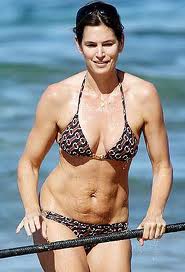 |
| Cindy Crawford getting in shape |
The mom-to-be is the only one going through hormonal changes.
She's not alone: Dad's dealing with hormone shifts, too. A study published in the journal Evolution and Human Behavior in 2000 found that over the course of his mate's pregnancy, an expectant father's testosterone levels go down and his prolactin levels go up. Researchers think this adjustment may help prime men to play daddy
Another load of claptrap and rubbish I reckon. This study is now 10 years out of bloody date anyway. How many men do you know that are shit fathers, or don't want to play the game? So what happened to their hormones? eh? eh? And what is this "play daddy"?
Breastfeeding makes your breasts sag.
While infants certainly drain a lactating breast, their hunger doesn't cause long-term changes in breast firmness. Scientists have confirmed that breastfeeding does not contribute to breast ptosis (the scientific name for saggy breasts).
However, multiple pregnancies, smoking and simply getting older have been correlated with droopier cleavage, according to a study of 132 women published in the Annals of Plastic Surgery in May.
132 Women? Um. Because guess what, plastic surgery people? This is also the biggest load of bollocks I have seen. Try checking out 132,000 women and you will get a fairer picture.

Twins skip a generation.
Fraternal twins do run in families, due to a gene that can make a woman more likely to release multiple eggs during ovulation. But the hyper-ovulation gene doesn't leapfrog over certain generations. It is passed on from parent to child just like all genes are.
Evidence shows that identical twins, however, occur at random, rather than running in families. If there are many sets of carbon-copies in your family line, "it is probably just a coincidence," Vreeman told MyHealthNewsDaily.
Erm. Call this crap too. I personally know families who have had identical twins in every generation for about the past 7 or 8 they know of. But I guess it is probably just a coincidence. There is no such thing as a coincidence.

You can predict the sex of your baby without technology.
Time to break it to grandma: Basketball-shaped bellies do not forecast boys. In a study of 104 women, published in the journal Birth in 1999, no correlations were found between a pregnant belly's size or shape and the baby's gender.
Similarly, predictions using the Chinese lunar calendar, the fetal heart rate and the Drano test (where the woman's urine is mixed with the de-clogging liquid and the resulting color allegedly reveals the baby's gender) were examined by physicians in Vancouver in 1999. None of them were reliable.
Grandma's Challenge. Fetal heart rate - strange how every single midwife, gynae and technician doing scans said that girl's hearts beat faster than boy's hearts. 1999? How out of date is that?

In all, scientists have found most folklore-based methods of predicting a baby's sex have the same odds as flipping a coin. "And 50/50 odds are not that bad," Vreeman said.
There may be a case for the predictive value of extreme morning sickness. Excessive, unrelenting morning sickness – also known as hyperemesis gravidarum – is slightly more correlated with having girls, Vreeman said.

When you have sex determines the gender of your baby.
Dads-to-be have two types of sperm: those that make baby boys and those that make baby girls. Some say that the body of a mom-to-be is more hospitable to boy sperm or girl sperm during certain times in her cycle. And so, the theories go, when a couple has sex can determine whether they conceive a Junior or a Bubette.
While a few small studies have supported timing methods for sex selection, larger, more recent studies have failed to find any correlation between the day within the fertile window a couple has sex and the gender of the baby, explained Dr. Rachel Vreeman, co-author of "Don't Swallow Your Gum! Myths, Half-Truths, and Outright Lies about Your Body and Health" (St. Martin's Griffin, 2009).
The only way you can reliably choose the sex of your baby is with the help of technology.

Sorry to say that this blurb, from MyHealthNews.com, has actually made me cranky. I have read a load of twaddle in my time, but this is sheer bunkum for most of it. The research doesn't even seem recent, and most of it is sketchy - in my opinion!
C'mon ladies, let me know what YOU think about this?
Sunday, October 23, 2011
DOES YOUR PREGNANCY MOOD AFFECT YOUR BABIES ATTITUDE ??
I want to say an especial thanks to Saphire for this blog, it is a fascinating subject. Hope you enjoy this as much as I did.
From: Saphire george
I often think of strange things at the most unusual of times ! For instance this thought came into my head whilst shopping in iceland ..
DOES YOUR PREGNANCY MOOD EFFECT YOUR BABIES ATTITUDE ??


Studies have shown that women with a high level of anxiety in their last 3 months of pregnancy are more likely to give birth to a child who will have behavioural problems. With a non-anxious mum the chances of having a child with adhd are 1 in 20 whereas if you have an anxious mum this is increased to 1 in 10 - if these women have boys that chance then increases to a 1 in 5 chance.


My pregnancy was led very happily healthy (apart from the few false starts) but I was thriving I got very big but that was my baby the back ache didnt matter the stretch marks and everything else that comes with pregnancy such as the “glowing stage” they say you get ! The only thing glowing about me was my bright red stretch marks and spots like you would believe :) none of it mattered though even now there signs of pregnancy marks of pride for the child that once grew and developed in my body ! (back on the subject saphire we're not writing a poem), anyway my friend on the other hand she hated everything about pregnancy - constantly up the hospital for no reason at all other than she was hoping they would give her a c-section ! She was constantly in bed sulking and every time she got a stretch mark it was like her life almost ended ! She was tested for depression but doctors agreed it was all in her head and she was fed up ! After 37 weeks she tried absolutely everything to get labour started.
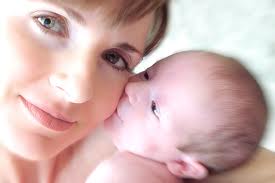
My son was born 6 days after due date her son born on due date :) my little boy has hit all of his targets bang on time and is even excelling compared to the other little boy who isnt a very happy baby at all he doesn't babble at 8 months, he still hasnt smiled, rolled over or done anything that most babies do at that age (has been checked by doctors for development problems and none were found) so is it because of her mood during pregnancy ? Sure links up ! I know people will think I'm nasty but I'm just giving an example and telling the truth, I will allow you to come to your own conclusion of whether you think it is possible or not, and I will say this is not always the case. Please do not think I'm saying you have to constantly be happy .. so when doctors say a happy pregnancy makes a healthy baby don't be so quick to dismiss it... :)


Babies born to mothers who are depressed may also be less active, show less attention and are more irritable and agitated than babies born to moms who are not depressed. This is why getting the right help is so important for both mom and baby.
From: Saphire george
I often think of strange things at the most unusual of times ! For instance this thought came into my head whilst shopping in iceland ..
DOES YOUR PREGNANCY MOOD EFFECT YOUR BABIES ATTITUDE ??
"Professor Glover said children's behavior was usually attributed to either genes or parenting.and the answer is yes in some cases it can! I always get told how happy a thriving Stuart is - this could be a result of my happy mood during my pregnancy. Yes I understand everyone has mood swings and that is totally normal but things such as depression can affect babies' weight, and whether baby comes late or early. Please do not misread this as it doesn't happen in all cases !
But she said this research suggested there was a chemical element as well"
Studies have shown that women with a high level of anxiety in their last 3 months of pregnancy are more likely to give birth to a child who will have behavioural problems. With a non-anxious mum the chances of having a child with adhd are 1 in 20 whereas if you have an anxious mum this is increased to 1 in 10 - if these women have boys that chance then increases to a 1 in 5 chance.

"We know some of these hormones, for example cortisol, can cross the placenta and it may well affect the development of the baby's brain in the womb." said Lead researcher Professor Vivette Glover"these findings came from a survey of more than 7,000 mothers-to-be. Each woman surveyed completed questionnaires designed to measure her level of anxiety at 18 and 32 weeks of pregnancy.
“Women were identified as anxious if they scored in the top 15% of respondents. Their children were assessed for behavioural and emotional problems just before their fourth birthday. Researchers focused in particular on women who were anxious during their pregnancy, but whose levels of anxiety fell after delivery. This was to see how the baby's behaviour was affected by antenatal anxiety rather than their mother's mood during their early years.”let me give you a personal experience - me and my friend were due 2 weeks apart.

My pregnancy was led very happily healthy (apart from the few false starts) but I was thriving I got very big but that was my baby the back ache didnt matter the stretch marks and everything else that comes with pregnancy such as the “glowing stage” they say you get ! The only thing glowing about me was my bright red stretch marks and spots like you would believe :) none of it mattered though even now there signs of pregnancy marks of pride for the child that once grew and developed in my body ! (back on the subject saphire we're not writing a poem), anyway my friend on the other hand she hated everything about pregnancy - constantly up the hospital for no reason at all other than she was hoping they would give her a c-section ! She was constantly in bed sulking and every time she got a stretch mark it was like her life almost ended ! She was tested for depression but doctors agreed it was all in her head and she was fed up ! After 37 weeks she tried absolutely everything to get labour started.
My son was born 6 days after due date her son born on due date :) my little boy has hit all of his targets bang on time and is even excelling compared to the other little boy who isnt a very happy baby at all he doesn't babble at 8 months, he still hasnt smiled, rolled over or done anything that most babies do at that age (has been checked by doctors for development problems and none were found) so is it because of her mood during pregnancy ? Sure links up ! I know people will think I'm nasty but I'm just giving an example and telling the truth, I will allow you to come to your own conclusion of whether you think it is possible or not, and I will say this is not always the case. Please do not think I'm saying you have to constantly be happy .. so when doctors say a happy pregnancy makes a healthy baby don't be so quick to dismiss it... :)


Babies born to mothers who are depressed may also be less active, show less attention and are more irritable and agitated than babies born to moms who are not depressed. This is why getting the right help is so important for both mom and baby.
Thank you for reading and I hope to hear your opinions X
Tuesday, October 4, 2011
Don't Eat Too Many Sweets in First Trimester!
Well here is another twist! As if there aren't already enough no-no's for the pregnant mum, we find yet another study, another no-no! Apparently, there have been a few studies in USA about what happens when women eat too many sweets, sugary drinks, biscuits etc. during their first trimester of pregnancy.


They also found that mums of normal weight who drank sugary drinks in the first trimester were at a higher risk of having big babies than women who didn't have many sugary drinks. OK...

That overweight and (here's that word again) obese women who gained more than 20% of their calories from sweets, had more than twice the risk of having an overweight or obese baby at birth, and at six months. This was compared with heavier women who consumed less than 20% of calories from sweets. Yep, ok again...
And, well we all know this eh? If you do have too much of the good thing, just do a little more exercise, e.g. an extra walk or bike ride to shed some of the calories.

Reading all the information given, I had to giggle, because there is nothing new under the sun, is there? And things we know without scientific studies suddenly gain immense weight and importance because someone does a few trials and studies - voila! We all know that we have to watch our calories, eat healthily, and do at least some exercise whilst pregnant! I guess I shouldn't laugh, but I can't really help myself.

Their findings were that women who consumed too many sweets were more likely to have obese babies, than those who ate fewer
sweet things.... uh huh ....


That overweight and (here's that word again) obese women who gained more than 20% of their calories from sweets, had more than twice the risk of having an overweight or obese baby at birth, and at six months. This was compared with heavier women who consumed less than 20% of calories from sweets. Yep, ok again...
And, well we all know this eh? If you do have too much of the good thing, just do a little more exercise, e.g. an extra walk or bike ride to shed some of the calories.

Reading all the information given, I had to giggle, because there is nothing new under the sun, is there? And things we know without scientific studies suddenly gain immense weight and importance because someone does a few trials and studies - voila! We all know that we have to watch our calories, eat healthily, and do at least some exercise whilst pregnant! I guess I shouldn't laugh, but I can't really help myself.
Who's The Boss? Midwife or Obstetrician?
Oh my - I sit here shaking my head with disbelief at what I am reading - have maternity wards in the U.K. gone totally backward into the 19th Century? To a time when the midwife was queen of the birthing process, and men were to be banned at all costs?

Excuse my ignorance, but I would have thought that the obstetrician had precedence over the midwife in any decisions about whether a Caesarean or other intervention is required? And why should a doctor NOT check on a patient during labour, midwife or not? I am quietly stunned by this attitude, as the obstetrician surely has far, far more training than a midwife?

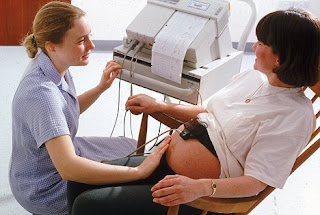
The U.K. statistics for stillbirths show an average of 11 per day, through NHS hospitals. You would believe this was a third world country. And everyone seems to point the finger at everyone else - but the general consensus is that midwives need to integrate with the obstetricians and gynaecologists, that the safe delivery of the baby is the goal when all is said and done.
You would hope and pray that the government is prevailed upon to allocate better funding for midwifery training, and the NHS as a whole. It appears, from the article in the "Mail Online" that midwives are not receiving training they require, and the RCM


I wonder what would happen if the Prime Minister became pregnant and had to go into an NHS hospital to give birth? Terrible shame he is a fella, isn't it?
"The NHS Institute for Innovation and Improvement’s guidance for midwives, for instance, instructs them to ‘focus on normal birth and reduce the Caesarean rate’. Doctors, it says, should ‘only enter the room of a labouring woman when asked to review (the patient) by a midwife’."

Excuse my ignorance, but I would have thought that the obstetrician had precedence over the midwife in any decisions about whether a Caesarean or other intervention is required? And why should a doctor NOT check on a patient during labour, midwife or not? I am quietly stunned by this attitude, as the obstetrician surely has far, far more training than a midwife?
"And despite objections from obstetricians, the RCM’s high-profile Campaign For Normal Birth has the slogan: ‘Intervention and Caesarean shouldn’t be the first choice — they should be the last.’ "

Perhaps because I am not a medical person, I really can't understand why the different professions are fighting each other - surely to goodness the one thing they should all agree on is that the outcome of the labour is a healthy baby and a healthy mother? No matter what intervention is required, and Caesarean or not.
Now I imagine we would all agree that the vast majority of midwives do a sterling job, but we all know stories of those who did far less than sterling jobs, and stories of ones who were outright overbearing, rude and dismissive of their pregnant or labouring patients.
"Gill Edwards, a leading clinical negligence solicitor with the firm Pannone, is in no doubt why these fatal mistakes continue. ‘Too often, we see a desire for autonomy, sometimes verging on arrogance, on the part of some midwives,’ she says. ‘It leads them to ignore National Midwifery Council rules that require them to call on the skills of other health professionals whenever something happens which is outside their sphere of practice.’ "

Perhaps this is what is going on at Furness General Hospital in Cumbria, where police actually launched an investigation into the deaths of five babies and two mothers, and where another baby's death is also going to be investigated?
The U.K. statistics for stillbirths show an average of 11 per day, through NHS hospitals. You would believe this was a third world country. And everyone seems to point the finger at everyone else - but the general consensus is that midwives need to integrate with the obstetricians and gynaecologists, that the safe delivery of the baby is the goal when all is said and done.
You would hope and pray that the government is prevailed upon to allocate better funding for midwifery training, and the NHS as a whole. It appears, from the article in the "Mail Online" that midwives are not receiving training they require, and the RCM
"warned last week that cuts in training budgets mean that for many midwives, training has to be self funded and largely online."

This is surely rather like learning to cook in a virtual kitchen? And the maternity staffing shortages have been going on for more than four years. Meanwhile, until these issues have been addressed and dealt with, parents are advised to:
"Ask the right questions, says solicitor Gill Edwards.
‘So many maternity hospitals sell themselves by pointing to low rates of intervention or Caesarean sections, with the emphasis on the peace and quiet or the number of birthing pools. But the real test is the number of healthy births at the unit.’ "
Read more: http://www.dailymail.co.uk/health/article-2044875/Is-obsession-natural-birth-putting-mothers-babies-danger.html#ixzz1Zn2ePojh
I wonder what would happen if the Prime Minister became pregnant and had to go into an NHS hospital to give birth? Terrible shame he is a fella, isn't it?
Subscribe to:
Posts (Atom)